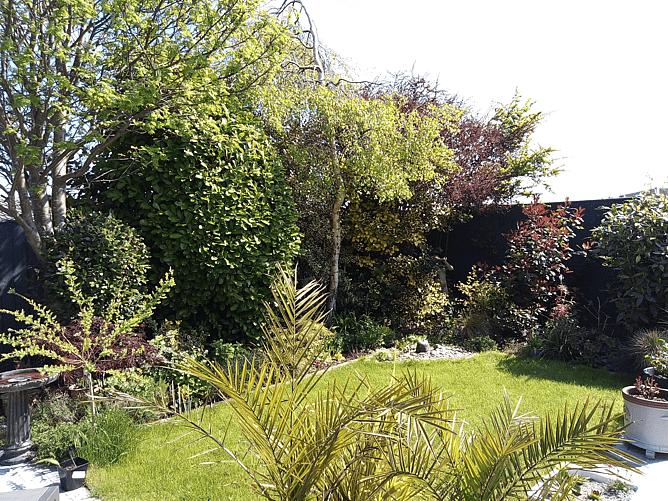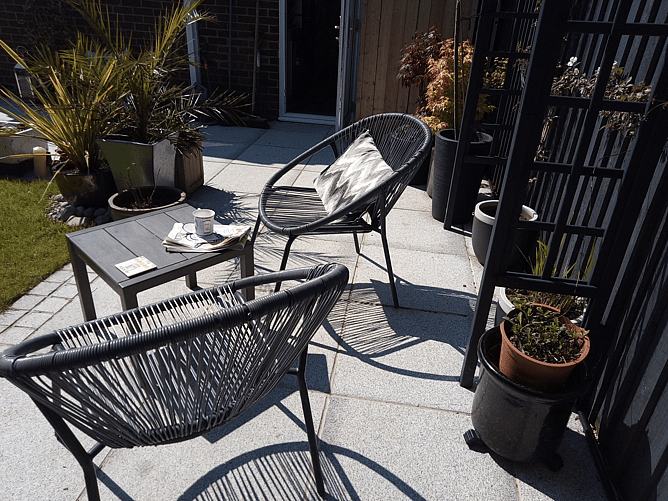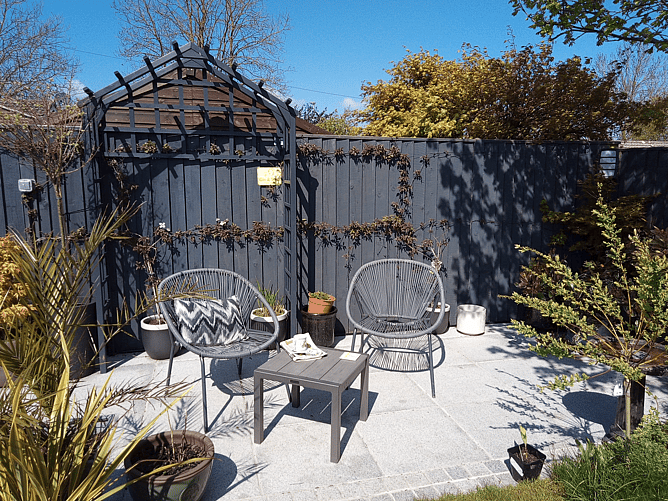
I recently finished a comprehensive project over in Newton Hall that I wanted to share with you. This was a significant build, but the real value isn’t just in the hard landscaping—it is in the life we are bringing back to the garden and the long-term health of the local environment.
A Garden That Works for Nature
The core of this plan was about one thing: pollinators. We designed every inch of this space to encourage birds, bees, honeybees, ladybirds, and butterflies to move back in. By providing a stable, regular source of nectar, we aren't just making a garden look pretty; we are establishing a permanent habitat.
At Roseberry Landscapes, our goal is to promote nature and help every customer play their part. If we all improve our gardens, we contribute to a collective effort to steer the climate back toward our original four seasons.
The Reality of Modern Gardening
I’ll be honest with you—working in a land-based industry right now is incredibly challenging. We are seeing weather extremes year after year that are, frankly, a horticultural disaster.
Last year was a prime example:
A bone-dry spring and summer.
Daily rain from November right through to mid-February.
A deep freeze immediately after the floods.
This cycle is brutal for plants and professionals alike. It is why planting for resilience and supporting our local ecosystem is no longer just a "nice to have"—it is essential.
Small Steps for a Bigger Purpose
This Newton Hall project demonstrates that a garden can be both a beautiful escape for the homeowner and a lifeline for local wildlife. By choosing the right plants and creating a stable environment, we are doing our bit to combat these weather extremes and protect the natural world we all rely on.
If you are looking to make your garden a bit more "nature-friendly," let’s have a chat about how we can build something that lasts.
Regards,
Paul, Roseberry Landscapes